If Day 1 was pretty exciting, Day 2 was even more because of two things: Jaime Bautista and Bomodok Falls.
Darrel Marco was host for the day and he kicked off day 2 with an "endearing" activity for everyone. As it was the second day of the conference, almost everyone knows each other by name and affiliation. So, Darrel used this situation to deepen the experience and develop stronger friendship among participants, speakers and MUNPARLAS Officers. Each of us had a paper taped on our backs. We wrote positive impressions on the paper round robin style. It was affirming to read the wonderful words of appreciation, gratitude and affirmation. What a great way to start the conference!
Apparently, MUNPARLAS President Ann Grace Bansig opened the conference on Day 2 with the topic on Endearing Library Services to the Public. As an example of an endearing library service, she presented the Book Mobile Project of De La Salle Zobel. Now on its 5th year, the project has been a success because of collaborative planning with DLSZ's Outreach Department. By partnering with The Fernando Zobel Foundation, DLSZ librarians and its social action staff, are able to deliver books and literacy services to public school students in Cavite and Batangas provinces.
After her session, Jaime Bautista, comic book writer and publisher came next. HE. IS. AMAZING! He opened his session with a read aloud of book 1 of Private Iris, complete with voice projection and facial expressions. This Xaverian loves his work indeed that it no longer seems to look like work for him! He explained how comics and its creation can lend to Bibliotherapy. As an art form, comic touches on the feelings and the senses of young readers and this experience provide for an avenue of mirroring and self expression. When Mr. Bautista started drawing and telling at the same time, I was floored! I asked for his drawing, his autograph and a note for my daughter from him as she is a fan of Private Iris.
How lucky were the participants to meet him! He is now booked for school visits till 2015!
I was next after the comic book session. I continued what I started out in Day 1 and presented a variety of strategies and programs on Developmental Bibliotherapy for kids and teens. After lunch, Dr. Luis Gatmaitan presented bibliotherapy activities for adults and older readers. Being the last speaker, he gave out certificates to the participants along side the MUNPARLAS President and Vice President.
We did end early on the second day. Bomodok Falls was waiting for us!
Showing posts with label Sagada. Show all posts
Thursday, May 1, 2014
Tuesday, April 29, 2014
Day 1 of the MUNPARLAS Bibliocare Sagada Conference
There was no Internet connectivity in Sagada the three days we were there. It was impossible for me to blog and live blog events as they unfold. Good thing there's mobile technology and it has allowed me to post status updates on our trips, tours and ongoing sessions with the speakers. So, I begin Day 1 of the conference and the tours we did in between.
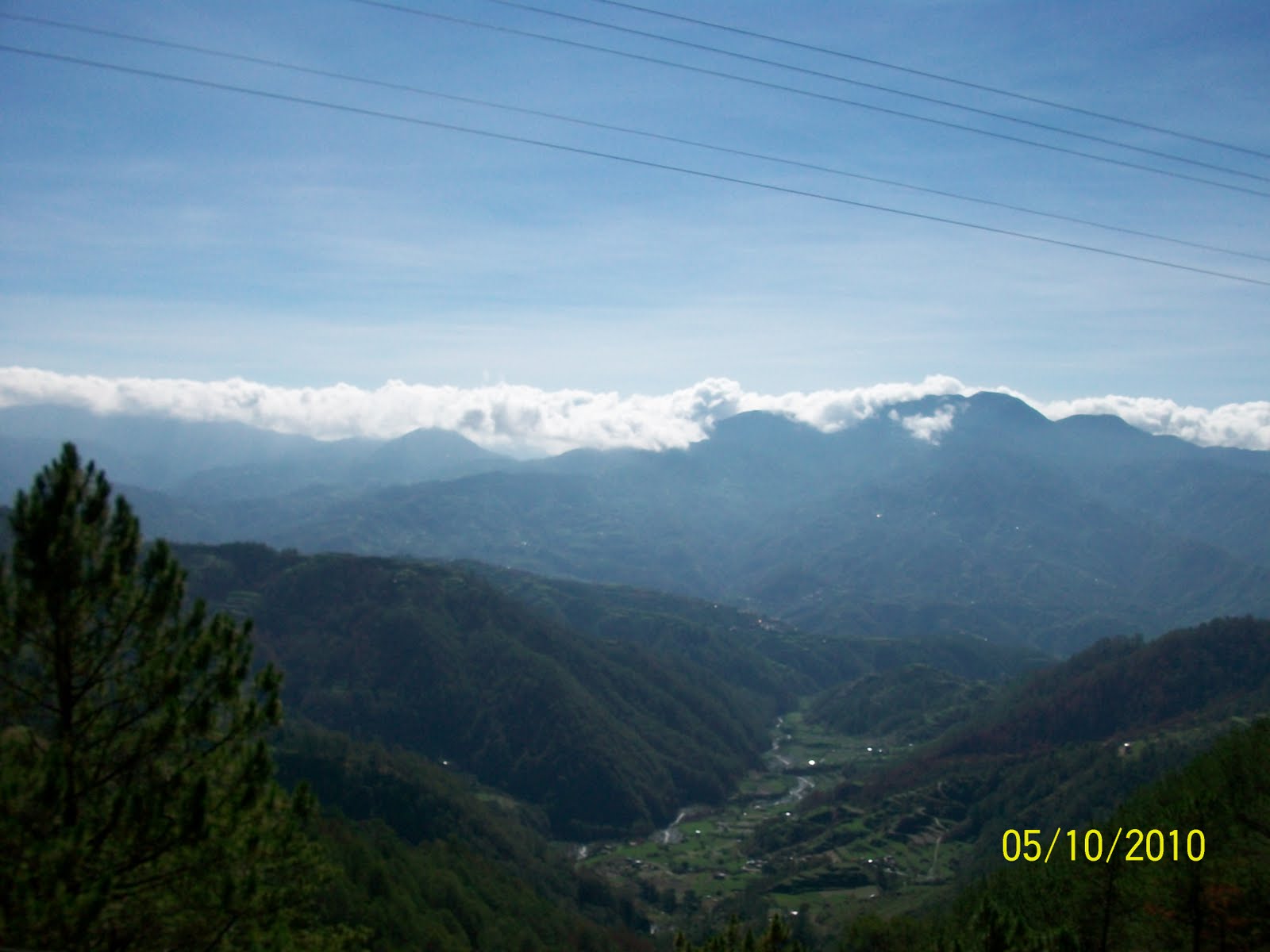
MUNPARLAS rented a chartered bus for the trip going to Sagada. The bus left Manila at nearly 10PM and we were in Baguio at 3AM. Another chartered bus waited for us at Dangwa Station while we got coffee and some light snacks. The route we took was the Benguet - Mt. Province side and not the Bontoc-Banaue route. The Benguet-Mt. Province is the safer route according to Eric Ramos, MUNPARLAS Officer and tour coordinator, who has experience travelling from Manila to Sagada and vice versa. We had only one stop over and it afforded us to take pictures of the mountain side and the beautiful sunrise. The air was cool, but the sun shining above the mountains warmed our bones. A promise of good things to come!
When we arrived in Sagada at 9AM, it was the same place I remembered it to be. Well, except for a few changes like the Chico River looking small and dredge out; Masferre restaurant has upgraded their deli shop and a piano is in place in one corner of the restaurant (I should really bring my family up in Sagada, one of these summers); the old bell in front of the Episcopalian Church is now fenced in; the Municipal Hall has an ATM machine; and souvenir shops increased in number in the Poblacion. Apart from these, Sagada is the Sagada I fell in love with in 2010.
After getting a room in St. Joseph's Resthouse, we had an hour of rest and from there, the adventure began!
First timers took the path to Sumaguing Cave while second timers rode the jeep top load style. It was like a roller coaster ride! When the participants emerged out of the cave, one of them, Darrel Marco of Xavier School Nuvali told us, "Now I know why you didn't go caving for the second time, Ms. Z!" While it was a life affirming experience the first time I went down to Sumaguing, I will not repeat the same experience again. To finish off the tour, we visited the Potter's Place and Lake Danum.
That night, Dr. Luis Gatmaitan arrived and we headed out to the Yougurt House for Dinner. It was my first time there. The place is quaint and comfortable. The food serving is generous and the company of friends is warm and welcoming. At 10PM, it was lights off for all of us. We were all anxious for Day 1 of the conference.
Day 1 began with a welcome message from Coun. Edward Umamin who shared his dreams of seeing a library set up in Sagada. He brushed on some problems with tourism, but emphasized that Sagada will always welcome librarians for the municipality is very much in need of community development and cultural workers. This made me think of the kind of tourism we do in the country. There should be more of the tours and trips offered by local tourism offices. A cultural experience of the place must be in the tourism program as well. And yes, libraries are needed to do this tourism service.
MUNPARLAS gave books to Coun. Umamin as donated by Marlene Aguilar. From there, input sessions started with Joseph Yap of DLSU Taft as the first speaker.
Mr. Yap presented possibilities of developing an online developmental bibliotherapy list or bibliography. He showed samples from foreign models. Surely, we need a Philippine counterpart as this will promote not just the books, but the content of our culture, identity and heritage. He devised an online submission form of bibliographic data on books and resources applicable for developmental bibliotherapy.
Next to speak was Mr. Jay Diola, librarian of DLS Zobel. He discussed concepts and theories that justify a developmental bibliotherapy program in the 21st century environment. I like his presentation on the digital natives and the digital migrants and how libraries and librarians can reach out to them.
After his talk, I was next. In my session, I started with the concept on Reading as an interactive process and that readers are capable of responding to reading. I followed it with a bibliotherapy session using a poem, Pied Beauty, by Gerard Manly Hopkins as translated into Filipino by Fr. Bert Alejo SJ and ended it with Katy Perry's Fireworks. (Yes, what a combination!). I finished my session with UNESCO's Life Skills as the basis for a bibliotherapy program. So there. Bibliotherapy can be seen as a process as well as a program.
The last speaker was Dr. Luis Gatmaitan who gave a thorough explanation of the theories behind bibliotherapy by merging his practice of medicine with his exemplary writing accomplishments. He showed how his books are bibliotherapuetic in nature and how, as librarians, we can develop a collection that will heal the mind, the body and the soul.
That's Day 1 of the Bibliocare Sagada conference. Day 2 will be posted tomorrow.
MUNPARLAS rented a chartered bus for the trip going to Sagada. The bus left Manila at nearly 10PM and we were in Baguio at 3AM. Another chartered bus waited for us at Dangwa Station while we got coffee and some light snacks. The route we took was the Benguet - Mt. Province side and not the Bontoc-Banaue route. The Benguet-Mt. Province is the safer route according to Eric Ramos, MUNPARLAS Officer and tour coordinator, who has experience travelling from Manila to Sagada and vice versa. We had only one stop over and it afforded us to take pictures of the mountain side and the beautiful sunrise. The air was cool, but the sun shining above the mountains warmed our bones. A promise of good things to come!
When we arrived in Sagada at 9AM, it was the same place I remembered it to be. Well, except for a few changes like the Chico River looking small and dredge out; Masferre restaurant has upgraded their deli shop and a piano is in place in one corner of the restaurant (I should really bring my family up in Sagada, one of these summers); the old bell in front of the Episcopalian Church is now fenced in; the Municipal Hall has an ATM machine; and souvenir shops increased in number in the Poblacion. Apart from these, Sagada is the Sagada I fell in love with in 2010.
![]() |
| Photo courtesy of Darrel Marco, 2014 |
First timers took the path to Sumaguing Cave while second timers rode the jeep top load style. It was like a roller coaster ride! When the participants emerged out of the cave, one of them, Darrel Marco of Xavier School Nuvali told us, "Now I know why you didn't go caving for the second time, Ms. Z!" While it was a life affirming experience the first time I went down to Sumaguing, I will not repeat the same experience again. To finish off the tour, we visited the Potter's Place and Lake Danum.
That night, Dr. Luis Gatmaitan arrived and we headed out to the Yougurt House for Dinner. It was my first time there. The place is quaint and comfortable. The food serving is generous and the company of friends is warm and welcoming. At 10PM, it was lights off for all of us. We were all anxious for Day 1 of the conference.
Day 1 began with a welcome message from Coun. Edward Umamin who shared his dreams of seeing a library set up in Sagada. He brushed on some problems with tourism, but emphasized that Sagada will always welcome librarians for the municipality is very much in need of community development and cultural workers. This made me think of the kind of tourism we do in the country. There should be more of the tours and trips offered by local tourism offices. A cultural experience of the place must be in the tourism program as well. And yes, libraries are needed to do this tourism service.
MUNPARLAS gave books to Coun. Umamin as donated by Marlene Aguilar. From there, input sessions started with Joseph Yap of DLSU Taft as the first speaker.
![]() |
| Coun. Edward Umamin was happy to receive book donations from MUNPARALS President, Ann Grace Bansig and VP Marivic Silencio |
Mr. Yap presented possibilities of developing an online developmental bibliotherapy list or bibliography. He showed samples from foreign models. Surely, we need a Philippine counterpart as this will promote not just the books, but the content of our culture, identity and heritage. He devised an online submission form of bibliographic data on books and resources applicable for developmental bibliotherapy.
Next to speak was Mr. Jay Diola, librarian of DLS Zobel. He discussed concepts and theories that justify a developmental bibliotherapy program in the 21st century environment. I like his presentation on the digital natives and the digital migrants and how libraries and librarians can reach out to them.
![]() |
| At my session, participants do a bibliotherapy group session |
After his talk, I was next. In my session, I started with the concept on Reading as an interactive process and that readers are capable of responding to reading. I followed it with a bibliotherapy session using a poem, Pied Beauty, by Gerard Manly Hopkins as translated into Filipino by Fr. Bert Alejo SJ and ended it with Katy Perry's Fireworks. (Yes, what a combination!). I finished my session with UNESCO's Life Skills as the basis for a bibliotherapy program. So there. Bibliotherapy can be seen as a process as well as a program.
The last speaker was Dr. Luis Gatmaitan who gave a thorough explanation of the theories behind bibliotherapy by merging his practice of medicine with his exemplary writing accomplishments. He showed how his books are bibliotherapuetic in nature and how, as librarians, we can develop a collection that will heal the mind, the body and the soul.
That's Day 1 of the Bibliocare Sagada conference. Day 2 will be posted tomorrow.
![]() |
| Eden and Veverly, librarians from Iloilo and early registrants. I gave them a copy of my book as early birds in the conference. |
Monday, April 28, 2014
Filipino Librarians for the Month of April: The Officers of MUNPARLAS Library Association
The two day conference of MUNPARLAS on Bibliocare and Developmental Bibliotherapy in Sagada, Mt. Province last April 24-25, 2014 was a breakthrough indeed!
For the officers of MUNPARLAS, it was their first time to conduct a national conference far from the comforts of Ayala Alabang, Muntinlupa. What a daring thing to do for a local librarians organization! But big dreams produce big results. More than the financial results, MUNPARLAS reaped their investments in terms of professional and personal growth as well as endearing friendships gained through the whole experience.
I admire this group of young and seasoned librarians because, they may be small in number but, their dedication to grow professionally is enormous. They are building learning communities in their schools as well as in society at large. For the past three years, MUNPARLAS has been conducting literacy related topics that librarians can use to design programs for their learners in the school and the academe. By going out of the Muntinlupa, Paranaque and Las Pinas area, they have started to reach out to the bigger community. MUNPARLAS was able to get participants from Iloilo, Leyte, Tarlac, Pangasinan, Legazpi, Naga and Cavite.
Congratulations, MUNPARLAS! Congratulations Filipino Librarians! May this be a start of bigger things to come!
Tuesday, April 22, 2014
Sagada For the Second Time Around
I'll be up in Sagada from April 24-25, 2014 for the MUNPARLAS Bibliocare Conference. I am honored to be in the roster of respected speakers on books, reading and bibliotherapy. Preparing for the conference has been an exciting journey as I have new methods and practices to share with the participants. Part of my workshop is an echo of the 42nd IASL Conference in Bali where in I'll be talking about life skills and how school libraries can set up programs that foster it. I'll also present my insights on the workshops I attended in the Bali Conference. Hopefully, this will elicit discussions that will spark ideas among librarians present there tomorrow.
For sentimental reasons, I am thrilled to be going up Sagada again. My first time there was with Dianne de Las Casas last May 2010. It was when we started working on our book project, Tales From the 7,000 Isles.
Look back with me by clicking these links:
Sagada Day 1 - First impressions are lasting
Sumag-ing Cave - One of the many life changing adventures I've had so far.
Fidelisan Rice Terraces and Bumod-ok Falls - This trek was like a trip to Middle Earth!
I'll be blogging from Sagada so keep visiting the blog for news and updates.
Tuesday, May 18, 2010
Sagada (Day 3)- Conquering the Sumag-ing Cave
The third and last day of our Sagada adventure began as early as 7.30 AM when, after breakfast, we met Mang Jimmy, our guide from the Fidelisan trek. He was our guide for the day in the caves. The Sumag-ing Cave is the easiest cave to explore according to the Tourism Officer. It's what they recommend for first timers in Sagada because it was a cave that could be conquered by city people like us.
He was kidding us! Just when we thought that the Fidelisan and Bomod-ok Falls trekking was an adventure of a lifetime, the Sumag-ing caving experience made us hang on to dear life. Imagine going into a primeval cave with nothing but nervous excitement! The caving in Sumag-ing was an adventure like no other.

Apart from Mang Jimmy, Inug-ay, another guide for the caving tour, assisted us, Team Sagada. By now, we were at home with Mang Jimmy and his uncanny sense of humor. He is no match for Dianne though, who topped his every teasing with a joke or two of her own. Needless to say, it was a fun and fearless caving expedition. I have to say, Team Sagada is made up of go-getters and non-quitters. So, as we all groped in the dark, bending, kneeling, creeping, groping on rocks smudged with bat's dung, we have enough courage and the will to go on and to let go of our fears.

L-R Dianne, me, Lucky Galvez, Ailen Claudio, Jerome Ramirez, Jovel Lopez and Yumi Pitargue. Go, Team Sagada!
Such was the bravery of the "bagets" as they exchange humorous tirades at each other and played word games that kept us all amused despite the darkness that surrounded us. If the Mang Jimmy - Dianne de Las Casas battle of the wits was a show of their own, Lucky and Jerome were in a word war as they descended the cave. They dished out "cave" words at each other. Cavernous. Creepy. It was very entertaining. When we reached the drop off, we all needed to go down a knotted rope. Mang Jimmy deftly showed us how. We followed like dutiful students. The reward, more stalagmites and stalactites; fossils on the cave walls and the cold gushing water!

By this time we were already barefoot. We took off our footwear so we could use our feet better. The soles of our flip flops and sneakers were liable to slips and falls. On the second drop off, we had to step on our guides' knee to go down. Holding Mang Jimmy's hands and stepping on his knee was an embarrassing moment. If only I was twenty lbs. lighter! My insecurity radiated to other members of the team that slipping a few steps was inevitable. To this, Yumi simply said, It's not too bad to die in a bikini .

When we reached the dead end, we were simply thankful for surviving the way down. The way up was another story. But what was there to fear? Going up was not as bad as the trip down. Really.

We had guides who were experts. They know Sumag-ing like the back of their hands. I give credit to Mang Jimmy and Inug-ay for a job well done; for keeping us safe; for showing the way; for holding up the light and placing them on areas that made us see the beauty of the cave; for their patience and sense of humor. To the guides, Mang Jimmy and Inug-ay, thank you! Thank you! Thank you for leading us back to the mouth of the cave alive and enlightened.
On our way back to the poblacion, we dropped by a road where a cliff holds three hanging coffins. We went down a mountain side one more time to see the burial caves. Then we rushed to our lodgings for a quick shower. We had to catch the 1PM bus ride back to Baguio. Most of us needed to be back in Manila the following day.
I have to say that the two nights three days stay in Sagada was an adventure of a lifetime indeed. I got in touch with the Igorot in me. I'm Ibanag, but I've always been in awe of them. My respects for the Igorots and their kin increased a hundred fold. To the Igorots who are very much a part of the Filipino culture and history, I derive inspiration from your ingenuity, inventiveness and resiliency. I live in a beautiful country!
He was kidding us! Just when we thought that the Fidelisan and Bomod-ok Falls trekking was an adventure of a lifetime, the Sumag-ing caving experience made us hang on to dear life. Imagine going into a primeval cave with nothing but nervous excitement! The caving in Sumag-ing was an adventure like no other.
Apart from Mang Jimmy, Inug-ay, another guide for the caving tour, assisted us, Team Sagada. By now, we were at home with Mang Jimmy and his uncanny sense of humor. He is no match for Dianne though, who topped his every teasing with a joke or two of her own. Needless to say, it was a fun and fearless caving expedition. I have to say, Team Sagada is made up of go-getters and non-quitters. So, as we all groped in the dark, bending, kneeling, creeping, groping on rocks smudged with bat's dung, we have enough courage and the will to go on and to let go of our fears.
L-R Dianne, me, Lucky Galvez, Ailen Claudio, Jerome Ramirez, Jovel Lopez and Yumi Pitargue. Go, Team Sagada!
Such was the bravery of the "bagets" as they exchange humorous tirades at each other and played word games that kept us all amused despite the darkness that surrounded us. If the Mang Jimmy - Dianne de Las Casas battle of the wits was a show of their own, Lucky and Jerome were in a word war as they descended the cave. They dished out "cave" words at each other. Cavernous. Creepy. It was very entertaining. When we reached the drop off, we all needed to go down a knotted rope. Mang Jimmy deftly showed us how. We followed like dutiful students. The reward, more stalagmites and stalactites; fossils on the cave walls and the cold gushing water!
By this time we were already barefoot. We took off our footwear so we could use our feet better. The soles of our flip flops and sneakers were liable to slips and falls. On the second drop off, we had to step on our guides' knee to go down. Holding Mang Jimmy's hands and stepping on his knee was an embarrassing moment. If only I was twenty lbs. lighter! My insecurity radiated to other members of the team that slipping a few steps was inevitable. To this, Yumi simply said, It's not too bad to die in a bikini .
When we reached the dead end, we were simply thankful for surviving the way down. The way up was another story. But what was there to fear? Going up was not as bad as the trip down. Really.
We had guides who were experts. They know Sumag-ing like the back of their hands. I give credit to Mang Jimmy and Inug-ay for a job well done; for keeping us safe; for showing the way; for holding up the light and placing them on areas that made us see the beauty of the cave; for their patience and sense of humor. To the guides, Mang Jimmy and Inug-ay, thank you! Thank you! Thank you for leading us back to the mouth of the cave alive and enlightened.
On our way back to the poblacion, we dropped by a road where a cliff holds three hanging coffins. We went down a mountain side one more time to see the burial caves. Then we rushed to our lodgings for a quick shower. We had to catch the 1PM bus ride back to Baguio. Most of us needed to be back in Manila the following day.
I have to say that the two nights three days stay in Sagada was an adventure of a lifetime indeed. I got in touch with the Igorot in me. I'm Ibanag, but I've always been in awe of them. My respects for the Igorots and their kin increased a hundred fold. To the Igorots who are very much a part of the Filipino culture and history, I derive inspiration from your ingenuity, inventiveness and resiliency. I live in a beautiful country!
Labels:
Ailen Claudio,
Cordillera Administrtaive Region,
Dianne De Las Casas,
Igorot,
Jerome Ramirez,
Jovel Lopez,
Lucky Galvez,
s,
Sagada,
Sumag-ing Cave,
Yumi Pitargue
The Ganduyan* Museum in Sagada
It was in the late afternoon when I found myself looking for Christina Aben of the Ganduyan Museum. I was expecting to meet a young woman in her early thirties or forties. Instead, I met a wizened Igorot woman who spoke impeccable English.
Ms. Aben is the collector and oral curator of "everything" inside the Ganduyan Museum. She led me to the stairs and at the foot of it, we took off our shoes. We entered sacred ground. What greeted me was a room full of artifacts from the Cordilleras. It was awesome!
Ms. Aben began with her bead collection. These are her own collection which she started in the 1970s. The beads came from the lowlands at a time when the Igorots traded with outsiders and foreigners like the Chinese, the Indians and the Arabs. There were alligator teeth and mother of pearl shells in her collection. Such things were not found in the Cordilleras. She has a money belt, a warrior's purse and all sorts of beaded necklaces from different tribal groups of the Cordilleras. There I learned that beading patterns differ from one ethnic tribe to another. One could tell who's from the Kalinga, Nabaloi, Ifugao or Igorot. We moved on down to the men's accessories. From pipes to caps (used as pillow and water cup) and woven g-strings, anklets and armlets to warrior's garb, she has it on display. Most intriguing to me are the amulets and snake vertebra believed to increase the warrior's physical and internal prowess.
The display of spoons and drinking cups for wine are varied in size and kind. Men and women drink. For a man who has cheated on his wife, the wine cup is passed behind his back. When this happens, the cheating husband is kept away from the wife to be cleansed by the shaman. How the cleansing was done, I failed to ask. Next time, I will and yes, I'll blog about it.
For the Igorots, status are issues they treat with utmost importance. There are clothing that the rich could wear but the poor could not. The kitchenware were made from wood and metal, some from animal bones. But these are also classified by social class. Prince or pauper, the tribal Igorot does not wash their plates. Kamote, which is the staple food of the highlanders, atsara, meat and fish dishes were served on plates but the left overs, grease and stain from these viands and food were scraped. Washing was unheard of because of the scarcity of water. Water from the well was a precious resource meant for drinking, cooking and other activities for sustenance.
The divide between the affluent and the indigent persisted among ethnic tribes, however, in this modern times, these belief system no longer matter. Then again, in death, this division in social classes is still observed.
The Igorots hold many beliefs and symbols. Among the many, it is the lizard or the gecko that stand out. These animals bring forth luck and longevity. Doors, scarves, table runners, accessories are decorated with these cold blooded insectivores. Even the warrior's shield has a gecko or two. What I found most interesting among the many weapons on display is the concave end of the shields. It is meant to trap the enemy at the neck. Then, the warrior goes for the kill by chopping his head off. There goes the fabled head hunters of the Cordilleras.
For a typical city slicker, the whole thing would appear primitive or simply a mere memory of the Cordillera's pagan past. But for me, a city slicker, the Ganduyan Museum's collection and exhibit is a testimony to a unique but dying heritage that is a part of these islands. All seven thousand seven hundred of them!
At the end of the lecture, Ms. Aben shared that the museum is her life's passion. A cancer survivor, she has pursued the arts and is continuously doing so. Hats off to people like her. Long live the Ganduyan Museum!
*Ganduyan is the Igorot name of Sagada
Ms. Aben is the collector and oral curator of "everything" inside the Ganduyan Museum. She led me to the stairs and at the foot of it, we took off our shoes. We entered sacred ground. What greeted me was a room full of artifacts from the Cordilleras. It was awesome!
Ms. Aben began with her bead collection. These are her own collection which she started in the 1970s. The beads came from the lowlands at a time when the Igorots traded with outsiders and foreigners like the Chinese, the Indians and the Arabs. There were alligator teeth and mother of pearl shells in her collection. Such things were not found in the Cordilleras. She has a money belt, a warrior's purse and all sorts of beaded necklaces from different tribal groups of the Cordilleras. There I learned that beading patterns differ from one ethnic tribe to another. One could tell who's from the Kalinga, Nabaloi, Ifugao or Igorot. We moved on down to the men's accessories. From pipes to caps (used as pillow and water cup) and woven g-strings, anklets and armlets to warrior's garb, she has it on display. Most intriguing to me are the amulets and snake vertebra believed to increase the warrior's physical and internal prowess.
The display of spoons and drinking cups for wine are varied in size and kind. Men and women drink. For a man who has cheated on his wife, the wine cup is passed behind his back. When this happens, the cheating husband is kept away from the wife to be cleansed by the shaman. How the cleansing was done, I failed to ask. Next time, I will and yes, I'll blog about it.
For the Igorots, status are issues they treat with utmost importance. There are clothing that the rich could wear but the poor could not. The kitchenware were made from wood and metal, some from animal bones. But these are also classified by social class. Prince or pauper, the tribal Igorot does not wash their plates. Kamote, which is the staple food of the highlanders, atsara, meat and fish dishes were served on plates but the left overs, grease and stain from these viands and food were scraped. Washing was unheard of because of the scarcity of water. Water from the well was a precious resource meant for drinking, cooking and other activities for sustenance.
The divide between the affluent and the indigent persisted among ethnic tribes, however, in this modern times, these belief system no longer matter. Then again, in death, this division in social classes is still observed.
The Igorots hold many beliefs and symbols. Among the many, it is the lizard or the gecko that stand out. These animals bring forth luck and longevity. Doors, scarves, table runners, accessories are decorated with these cold blooded insectivores. Even the warrior's shield has a gecko or two. What I found most interesting among the many weapons on display is the concave end of the shields. It is meant to trap the enemy at the neck. Then, the warrior goes for the kill by chopping his head off. There goes the fabled head hunters of the Cordilleras.
For a typical city slicker, the whole thing would appear primitive or simply a mere memory of the Cordillera's pagan past. But for me, a city slicker, the Ganduyan Museum's collection and exhibit is a testimony to a unique but dying heritage that is a part of these islands. All seven thousand seven hundred of them!
At the end of the lecture, Ms. Aben shared that the museum is her life's passion. A cancer survivor, she has pursued the arts and is continuously doing so. Hats off to people like her. Long live the Ganduyan Museum!
*Ganduyan is the Igorot name of Sagada
Monday, May 17, 2010
Sagada (Day 2)-Fidelisan Rice Terraces & Bomod-ok Falls
I got a better look of the poblacion in the morning - the parish office and church, St. Theodore’s hospital, the souvenir shops, the surrounding mountains, the halo-halo stand and the local people. It was a bright and sunny day. We were ready to trek Fidelisan for Bomo-dok Falls.

For an affordable fee of Php 1,250.00, we hired a van and a guide to trek down the Fidelisan rice terraces and to bathe in the pools of Bom-odok Falls. Excitement was in the air. Dianne was wearing his hiking sneakers. She brought along a walking stick and wide brimmed hat. I have my camera ready.
The city people that we are, we were so cocky! Mang Jimmy, our guide, showed us the three-kilometer trek from the top of a viewing point. Yeah, we tell him. We can do that. And we did!
We crossed the rice terraces down winding paths and rocky terrain. The view of the mountain was fantastic. Clouds hover above us. The sky was so blue under our heads. The landscape magnified our irrelevance. Man is but a speck in the vast universe and he is free to do what he pleases in it. The rice terraces are truly a wonder of the world! The red earth and the palay that grows on them are firmly held on by rocks at the edge to prevent erosion. According to Mang Jimmy, the rice terraces in Banawe do not have such support. The Mountain Province terraces are sturdier than the Ifugao counterpart. With rocks or none at all, this Igorot invention and ingenuity is unparalleled. Though rice terraces can be found in Vietnam, China and Japan ours flourish on the rocky mountainside.
Contrary to textbook information, rice is not the only crop that grows on the terraces. Kamote, cassava, cabbage and lettuce are planted year round along with other root crops. I read somewhere that natural irrigation, rain and spring water keep the rice terraces green and growing. The rain that prevented us from caving and trekking yesterday was proof. The natural spring water that gushes out the mountainside was another. There were plenty! And what musical sounds they make! The Fidelisan rice terraces were so alive! Half way down the terraces, we met kids who ran ahead of us on the steep path like mountain goats. They were barefoot and nimble. Such was their friendliness to tourists and strangers that Yumi, one of our companions, befriended a few and took pictures of them. They made the tiring and challenging trek to Bomod-ok Falls fun and playful.
Along the way, carabaos graze on a grassy field by a stream and pools of water litter our path left and right. Little fishes, minnows, I’d like to think, and tadpoles swim in their small watery world. Then we heard the gushing of strong water. We were a few meters away from Bomod-ok Falls. Finally, we saw it. The Big Falls that the Tourism Officer recommended for us to see. It was not Niagra, but it was majestic in its own right. The force of the water was overwhelming. The current down river was strong so we selected pools and spots to dip in. Our cameras were on hand for photos to put in our Facebook accounts.
It was refreshing to be there. I sat between two rocks and allowed the water to massage my aching back. Heaven! Dianne swam in the pool and played with the kids we met earlier. She played ‘Nanay – Tatay’ with the boys. In return, she taught them ‘Peanut Butter and Jelly Jam’. Mang Jimmy, our guide left us to enjoy the afternoon. Our companions, Yumi, Jovel, Lucky, Ailen and Jerome took pictures and waded in the cool shallow waters. After an hour, we headed back to the poblacion. The trek going back was double the challenge! Yet, we made it.
Lunch that late afternoon was at Grandma’s Yellow House. We met an Igorot woman by the name of Lilian on our way there. She carried a clump of kamote vines on top of her head. She gathers, plants and sells them at the market place. If the harvest is good, she goes down to Baguio to sell more. We invited her for lunch. She declined, but we insisted. It is typical in the province that everyone is a relative to another. Lola Lilian is the perfect example. She met her grandson (twice removed) at the restaurant and her nephew by the automotive shop. Over tea (mountain tea), I asked if she told any stories to her fifty grand children. She nodded her head but could not remember or share any. Perhaps the language was a barrier. I'm not H. Otley Beyer who lived among the Ifugaos for sixty years. Beyer was an Americam anthropologist who studied and wrote about the mountain people’s way of life, customs, rituals and traditions. He included folklore collected from the locals. Sadly, his writings are in a repository somewhere in a big university in Australia.

While the “bagets” headed back to the rest house, Dianne and I continued exploring the poblacion. She went to St. Mary’s Parish and did her own research. I went to the Ganduyan Museum. Having met Dean Bocobo, the writer and scholar from Manila earlier that morning I heeded his advice to see Christina Aben of the Ganduyan Museum.

For an affordable fee of Php 1,250.00, we hired a van and a guide to trek down the Fidelisan rice terraces and to bathe in the pools of Bom-odok Falls. Excitement was in the air. Dianne was wearing his hiking sneakers. She brought along a walking stick and wide brimmed hat. I have my camera ready.
The city people that we are, we were so cocky! Mang Jimmy, our guide, showed us the three-kilometer trek from the top of a viewing point. Yeah, we tell him. We can do that. And we did!
While the “bagets” headed back to the rest house, Dianne and I continued exploring the poblacion. She went to St. Mary’s Parish and did her own research. I went to the Ganduyan Museum. Having met Dean Bocobo, the writer and scholar from Manila earlier that morning I heeded his advice to see Christina Aben of the Ganduyan Museum.
Saturday, May 15, 2010
Sagada (Day 1)
Upon arrival at the poblacion, we immediately met Manang Julia, the landlady at St. Joseph’s Resthouse. She’s such an easy person to talk to. She gave us great discount to our lodgings as well. Thanks to Roderick Ramos, my friend and colleague, who inspired me to go to Sagada with Dianne in the first place.
There were seven of us city slickers, six from Manila and one from New Orleans. We were tourists in a place where time moved in slow motion. No rush. No hurry. It was so easy to tell us apart, what with Dianne and her strong American features standing out the locals looked and wondered. Then, with a knowing smile, we were labeled in their eyes – lowlanders. Yes, the Sagadians were a friendly lot but they keep a certain distance from new comers. We were welcomed and were treated rightfully though. Then again, I could not help but feel like a stranger in my own country.
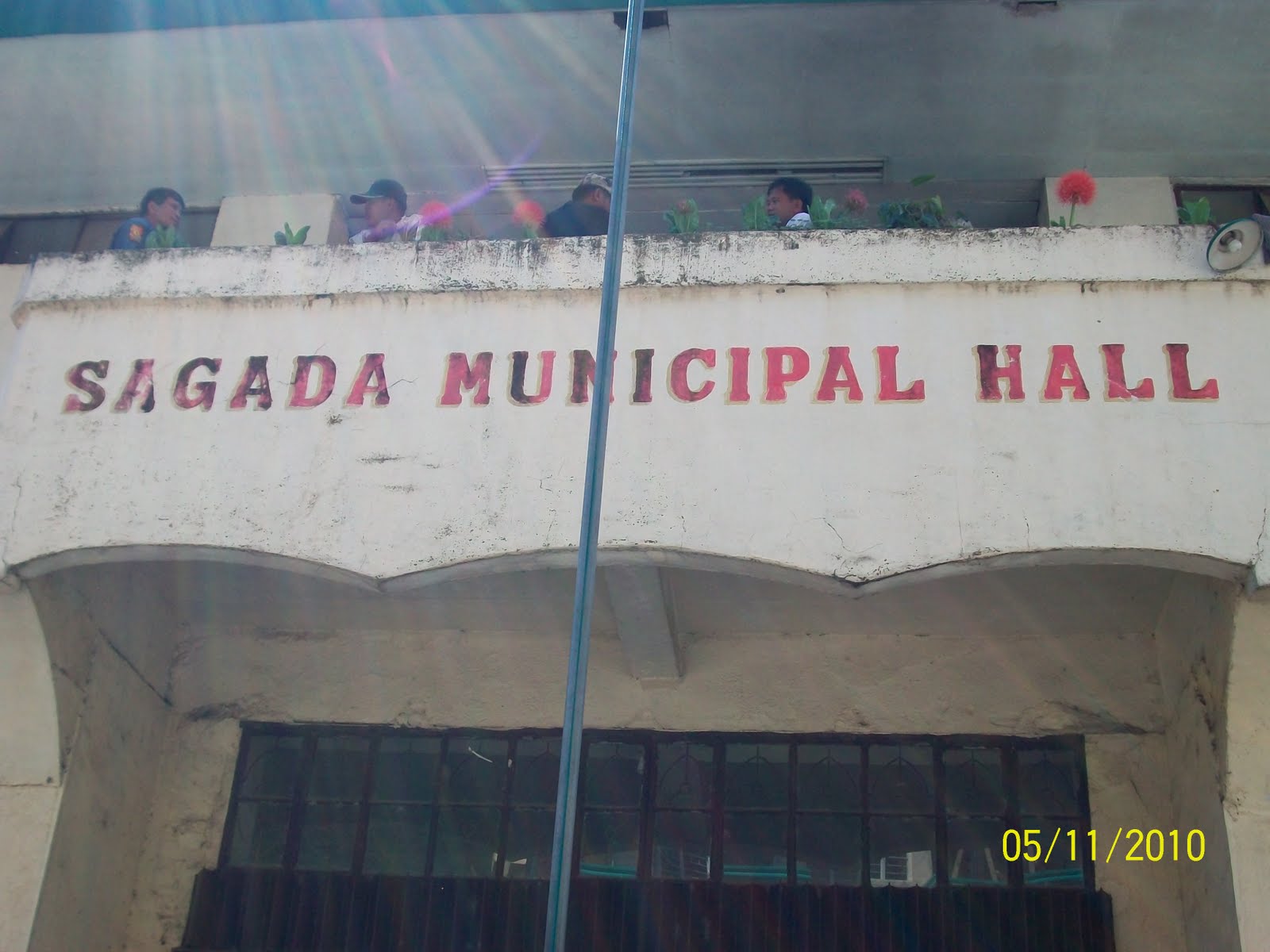
At the municipal hall, we talked to the assigned personnel at the information center for tours and registration duties. A minimal fee is needed to do this – only 20 pesos and you could pick your choice of Sagada adventure. While the idea of trekking, caving and seeing the sights fermented in our minds, our stomachs got the better of us. So, we headed to the nearby Masferre Café for a late lunch. The restaurant is family owned. Eduardo Masferre is a Spanish Mestizo known for his photographic art of the Cordillera people. His photos chronicled and depicted the Cordillera way of life and culture. What could not be described in words, Masferre captured in photos. Some of his photos were exhibited on one wall for costumers to look and see while waiting to be served. His son, the youngest (I think) manages the restaurant. Patricia Masferre, granddaughter of the master, waited and served us lunch.
Subscribe to:
Posts (Atom)